Internationals

Companies

Language Schools

Clubs


You’ve probably heard that Denmark consistently ranks as one of the happiest countries in the world. But if you’ve ever stood at a Danish bus stop on a gray November day, you might have wondered: Where is all this happiness hiding?
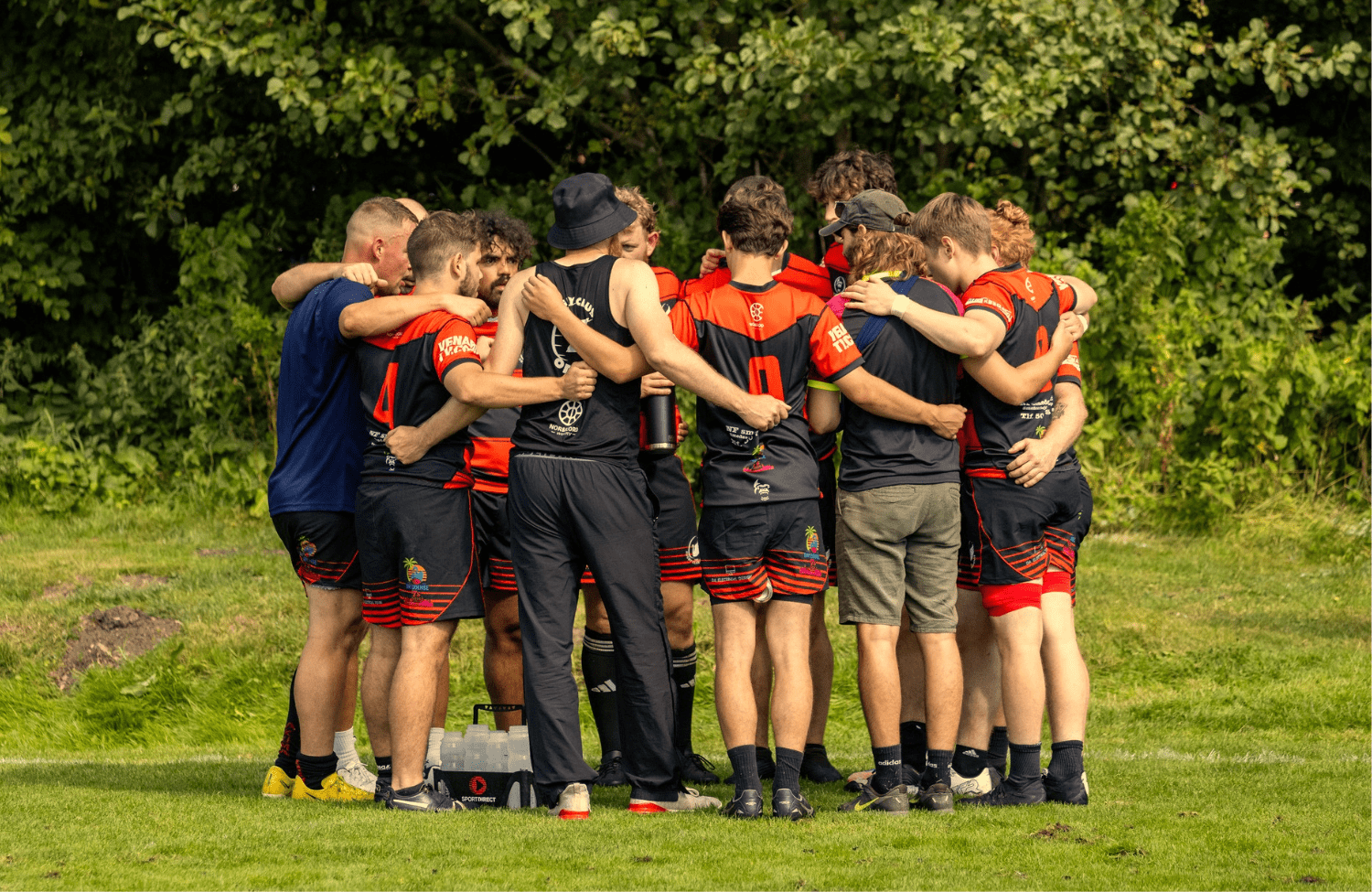
The short answer? It’s hiding in the local sports halls, on the muddy football pitches, and in the clubhouses. It’s hiding in what the Danes call “foreningslivet” (association life). As the official gateway to Danish sports communities, backed by 7 national sports federations, we know firsthand that association culture is one of Denmark’s best-kept secrets from internationals.
There is a running joke among Danes that wherever three Danes meet, they establish an association. And there’s a lot of truth to it: About 90% of the Danish population is a member of at least one association! If you want to crack the code to Danish culture and build a local network, a forening is the absolute shortcut. But what exactly is it, and how does it differ from the gym memberships you might be used to?
An “Everyday Democracy” Driven by the Members
In many countries, playing a sport means signing up with a commercial business. You pay your monthly fee for a service, put on your headphones, work out, and go home. A Danish forening is something entirely different. The culture really took shape in the mid-1800s when the Danish Constitution secured citizens’ right to organize.
Today, an association is a non-profit organization built on volunteering. It is independent of the state but benefits from municipal support, such as access to sports halls. It is “non-profit, but not free”. When you pay your membership fee (kontingent), you aren’t buying a service from a company – you are contributing to a community. The money goes entirely towards balls, pitch rental, and keeping the lights on in the clubhouse.
There is no CEO making a profit. Instead, the club is a small “everyday democracy”, run by a board elected by the members themselves.
Why You Should Join (The True Value of a Forening)
You might be thinking: “I just want to play some floorball or cricket, why does the organizational structure matter?” It matters because the structure creates a completely unique social environment. In fact, the community itself in a Danish association is at least as important as the activity itself. Danes can sometimes seem a bit reserved in public spaces, but the moment you put on the team jersey, the invisible barriers disappear.
Joining an association means:
Ready to give it a shot?
You don’t need to speak fluent Danish, and you don’t need to be a professional athlete to join. Danish sports clubs thrive on diversity, and many of them – especially in sports like rugby, cricket, hockey, and softball – already have a strong international vibe.
The community is waiting for you. All you have to do is show up.