
Internationals

Companies

Language Schools

Clubs


The Practical Prep · Article 4 of 4
⏱ 7 min read🧭 The Practical PrepLearning Path
You are sitting in the locker room, lacing up your shoes for your third practice with your new Danish team. Suddenly, your phone rings loudly from the bottom of your sports bag. You scramble to silence it, slightly embarrassed.
Instead of ignoring it, the entire room goes “Ooooooh!” in unison. A veteran player in the corner pulls out a small notebook, scribbles something down, points at you, and says: “That’s twenty kroner to the box.”
You have just been introduced to the shadow economy of Danish grassroots sports: The Bødekasse (The Fine Box).
If you come from a culture where a “fine” is a serious punishment meant to reprimand bad behavior, this moment might feel incredibly uncomfortable. Are they angry with you? Are you being bullied? Did you just break an official club rule?
“Take a deep breath and smile. You haven’t done anything genuinely wrong. In fact, receiving your first fine is a rite of passage.”
It means you are no longer a fragile guest; you are officially part of the gang. Here is why you should happily open your wallet when the Fine Box Chairman comes calling.
The Bødekasse is a completely unofficial, deeply unserious internal financial system managed exclusively by the players on the team. It is completely separate from the official Kontingent (membership fee) you pay to the club’s board.
The money collected in the Bødekasse is not used to buy new softballs or pay for the electricity in the sports hall. The funds have one sacred purpose: To finance the team’s social life.
Throughout the season, the hundreds of small 5, 10, and 20 DKK fines slowly accumulate. When the season ends, this money is unlocked to pay for the legendary Afslutningsfest (End-of-Season Party), a team dinner, or the crates of beer and soda consumed during the “3rd Half” in the locker room. When you pay a fine, you are essentially just buying yourself a drink in the future.
Every team has a designated Bødekasse-formand (Fine Box Chairman) or Bødemester (Fine Master).
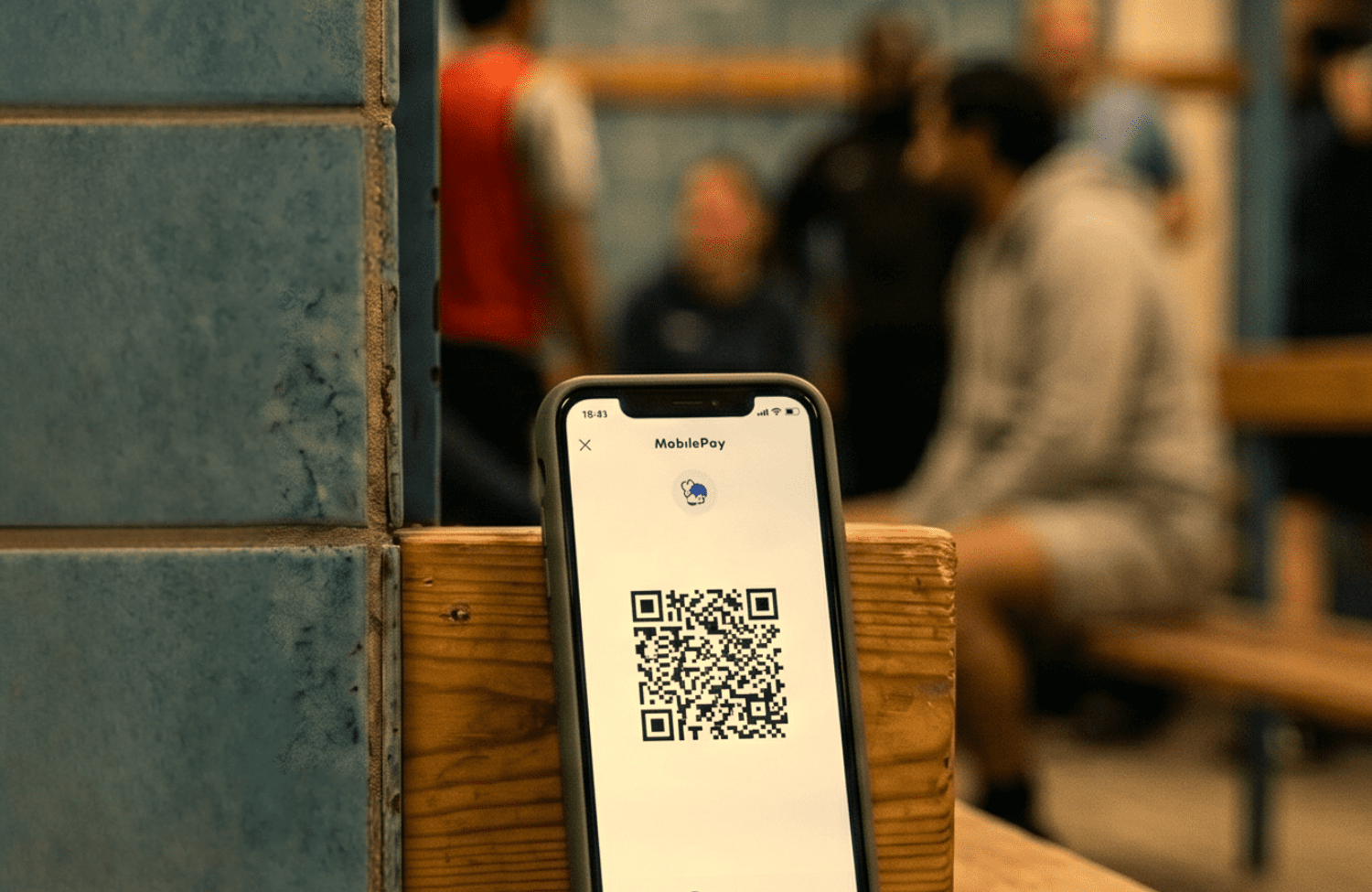
This is usually a trusted, slightly vocal veteran player who loves organization. In the old days, they would carry around a literal wooden box or a piggy bank that clinked with coins. Today, the Danish society is virtually cashless, so the Fine Master operates almost exclusively via the mobile payment app “MobilePay.”
The Fine Master is the judge, jury, and executioner. If they see you commit a fineable offense, there is no use arguing. You simply accept the verdict, open the app, and swipe the money to their designated Fine Box number.
At the start of the season, the team will usually agree on the Bødetakster (The Fine Rates). The list is often printed out and taped to the locker room wall. The brilliance of the rules is that they target the small, annoying human errors that happen to everyone.
Why do Danes love the Bødekasse so much? Because it is the ultimate tool for maintaining the flat hierarchy. Rooted in Janteloven, the Fine Box spares no one. If the absolute star player shows up two minutes late, he pays the exact same fine as the player sitting on the bench. It prevents egos from inflating and creates a space where mistakes are met with a collective “Cha-ching!” instead of anger.
When the moment comes, and the entire locker room points at you because your phone rang or you forgot your indoor shoes, there is only one correct way to react.
Do not get defensive. Do not explain that your boss was calling or that the traffic was bad. Smile, shake your head at your own mistake, ask for the MobilePay number, and transfer the money.
By paying your fine with a smile, you are demonstrating that you understand the culture. You don’t take yourself too seriously, and you are ready to contribute to the Afslutningsfest. Congratulations—you have just cracked the Danish coconut.